
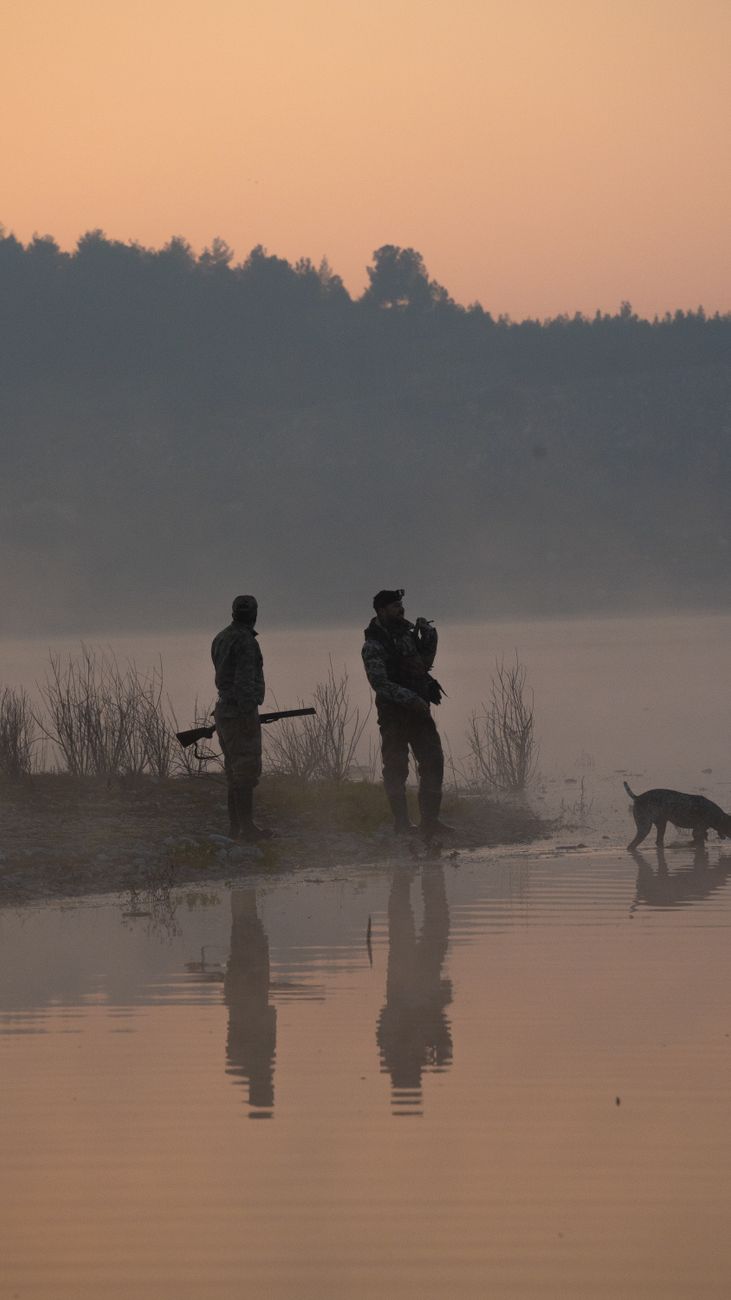
For many Northeast hunters, September marks the beginning of the fall hunting season. The leaves may still be green, summer temperatures can linger, and the first frost may be weeks away, but across the region, waterfowl hunters are already heading for marshes, ponds, rivers and agricultural fields.
September waterfowl hunting looks different from the classic late-fall duck hunt. In much of the Northeast, the primary opportunity is the early Canada goose season, which is designed in part around resident geese that remain in the region through the summer. Regular duck seasons generally arrive later, as the fall migration gets underway.
That makes September a unique time to be on the water.
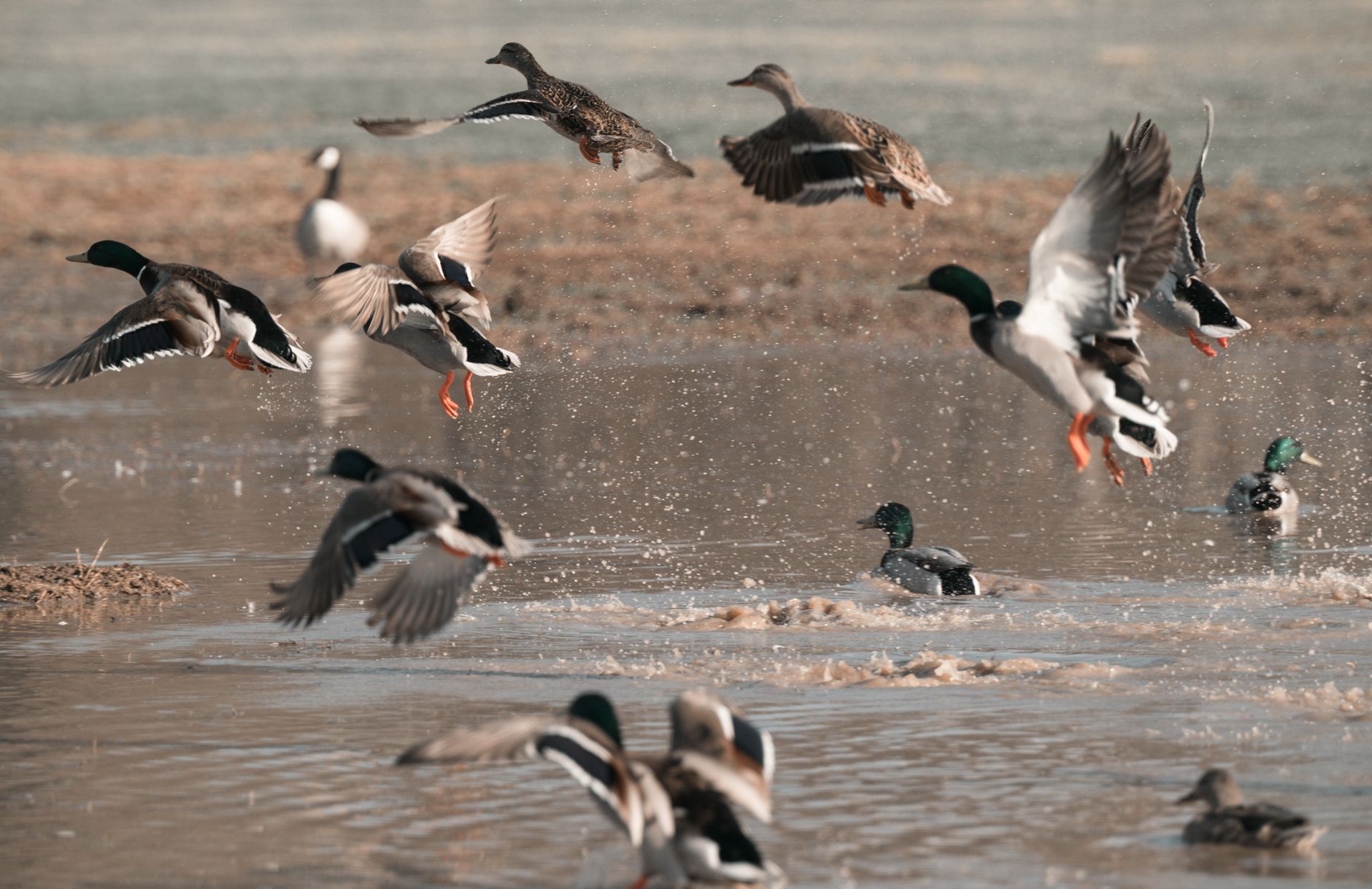
The Early Goose Season
The September Canada goose hunt is one of the Northeast’s earliest opportunities to pursue waterfowl.
In Massachusetts, for example, the 2026 early Canada goose season runs September 1 through September 25 statewide, with a daily bag limit of 15. New Jersey’s statewide September goose season runs September 1 through September 30, also with a daily limit of 15. New York also offers September Canada goose seasons in numerous hunting zones, although dates and limits vary by zone.
These early seasons are quite different from hunting migrating geese later in the fall.
Many of the birds are resident Canada geese that have spent the summer in the Northeast. They can be found around ponds, reservoirs, rivers, agricultural fields, golf courses, parks and other areas where food and water are readily available.
That can make September goose hunting a very different experience from chasing migrating birds in November.
Finding September Geese
The key to early-season goose hunting is often understanding where birds spend their days.
Geese may leave feeding areas in the morning and return later, or they may move between several bodies of water during the day. Agricultural fields can be particularly productive where geese have established regular feeding patterns.
Instead of simply looking for a large body of water, hunters should pay attention to the entire landscape.
Where are the geese feeding?
Where are they roosting?
What water are they using during the day?
And, perhaps most importantly, what routes are they taking between those locations?
Scouting can be especially valuable in September because resident geese often establish predictable routines.
September Is Not November
One of the biggest mistakes a hunter can make is approaching September like a late-fall waterfowl hunt.
The weather is different. The birds are different. The landscape is different.
There may be little or no migration occurring yet, and the vegetation around ponds and marshes can be thick and green. A blind that would be effective in November may be much more conspicuous in September.
Concealment matters.
So does patience.
Early-season geese have not necessarily experienced the same hunting pressure they will encounter later in the fall, but resident birds can still become wary quickly if hunters repeatedly educate them.
Where Water Meets Agriculture
Some of the Northeast’s best September goose habitat occurs where wetlands and agricultural land meet.
Cornfields, hayfields and pastures can provide feeding opportunities, while nearby ponds, rivers and reservoirs provide places for geese to rest.
That combination can make the agricultural landscapes of the Northeast surprisingly productive waterfowl country.
It also illustrates why waterfowl habitat extends well beyond traditional marshes.
A hunter scouting a September goose hunt should look at the entire landscape rather than focusing exclusively on wetlands.
The Beginning of the Migration
Although September’s early goose hunting is often centered on resident birds, the month also marks the beginning of the broader fall transition.
As the days shorten and temperatures begin to fall, more birds will begin moving south.
The change is gradual.
For hunters, that makes September an interesting month to be outside because the Northeast is sitting between summer and the heart of the fall migration.
By October, the picture changes considerably. Duck seasons begin opening across much of the region, wood ducks and other species become increasingly important, and migrating waterfowl begin moving through the Northeast in greater numbers.
September is the opening act.
A Good Month to Scout
Even when a particular duck season hasn’t opened yet, September can be an excellent time to explore potential hunting areas.
Walk the edges of marshes. Study rivers and ponds. Watch agricultural fields at dawn and dusk. Pay attention to where birds are feeding and where they disappear after leaving the water.
The information gathered in September can pay off later in the season.
A pond that looks quiet in September may become an important stopover once migrating ducks begin arriving. A field holding resident geese may also become part of a larger fall migration corridor.
The Northeast is constantly changing throughout autumn.
The hunters who pay attention to those changes are often the ones who are best prepared when the migration really gets underway.
September’s Other Waterfowl Opportunities
Canada geese aren’t the only migratory game birds available to Northeast hunters in September.
Some states also have early opportunities for species such as rails and snipe. In Massachusetts, for example, sora and Virginia rail seasons open September 1, as does the snipe season. New Jersey also opens rail and gallinule hunting September 1 and snipe hunting September 5.
These hunts offer a very different experience from goose hunting and can be an interesting way to explore the Northeast’s marshes during the transition into fall.
Know the Regulations
Waterfowl regulations can change substantially from one state—and sometimes one zone—to another.
Season dates, bag limits, hunting hours, licensing requirements and waterfowl zones all need to be checked before heading into the field. Hunters pursuing migratory birds generally also need to meet federal and state requirements, including applicable migratory bird and HIP requirements.
For example, Massachusetts divides the state into three waterfowl zones, and its early Canada goose season has different rules from the regular goose season.
The same general principle applies throughout the Northeast: check the current regulations for the exact state, zone and species you plan to hunt before every trip.